
Objectives
Our Objectives

01
Public Charitable Support
Aid or donations to any fund, institution, object, or establishment serving public charity.
To grant aid and/or donate money to any fund, institution, object, or establishment engaged in the advancement of any public charitable purpose as aforesaid.

02
Medical Relief
Support hospitals, clinics, dispensaries, medical camps, mobile units, and ambulances.
To establish, provide grants to, or aid hospitals, clinics, charitable dispensaries, sanatoria, mobile medical units, ambulances, laboratories, medical and surgical camps, and other establishments for providing medical relief to the public, especially poor, sick, and infirm persons.

03
Educational Grants
Scholarships, grants, and aid for poor or deserving students and scholars.
To provide scholarships, grants, or aid to poor or deserving students and scholars.

04
Calamity Relief
Relief during earthquakes, landslides, famines, fires, pestilence, and natural calamities.
To grant relief during earthquakes, landslides, famines, fires, pestilence, and other natural calamities, and to provide donations to institutions, funds, or establishments engaged in relief activities on such occasions.

05
Religious Activities
Placeholder text about the Foundation's religious activities — replace with final content.
Placeholder detailed description of the Foundation's religious activities, observances, and programmes. Replace with final content once available.

06
Run A Public Library
The Lokamata Rani Rashmoni Foundation is establishing a public library to preserve Bengal's literary heritage and promote knowledge, research, and lifelong learning for all.
The Lokamata Rani Rashmoni Foundation is committed to establishing and maintaining a public library that serves as a vibrant centre of knowledge, learning, and cultural enrichment. The library will provide free and equitable access to books, manuscripts, archival materials, digital resources, and educational programmes, fostering lifelong learning, research, and intellectual growth for people of all ages. By preserving the literary, historical, and cultural heritage associated with Lokamata Rani Rashmoni and Bengal, the Foundation seeks to inspire informed, enlightened, and socially responsible citizens.
Photo Album
Remarkable Moments
The entire events was planned and organized with dedication by Lokamata Rani Rashmoni Foundation
Book Fair Album
Lokamata Rani Rashmoni 252nd Birth Anniversary
Social Welfare Activities
Lokamata Rani Rashmoni Award Ceremony, 2024
Ratanti Kali Puja 2023-2024
Inauguration of Light & Sound
Eminent Sarod Player Ustad Aman Ali Khan’s Performance – 25 December 2014
Eminent Sarod Player Ustad Aman Ali Khan’s Performance – 25 December 2014
Eminent Sarod Player Ustad Aman Ali Khan’s Performance – 25 December 2014
THE HERITAGE
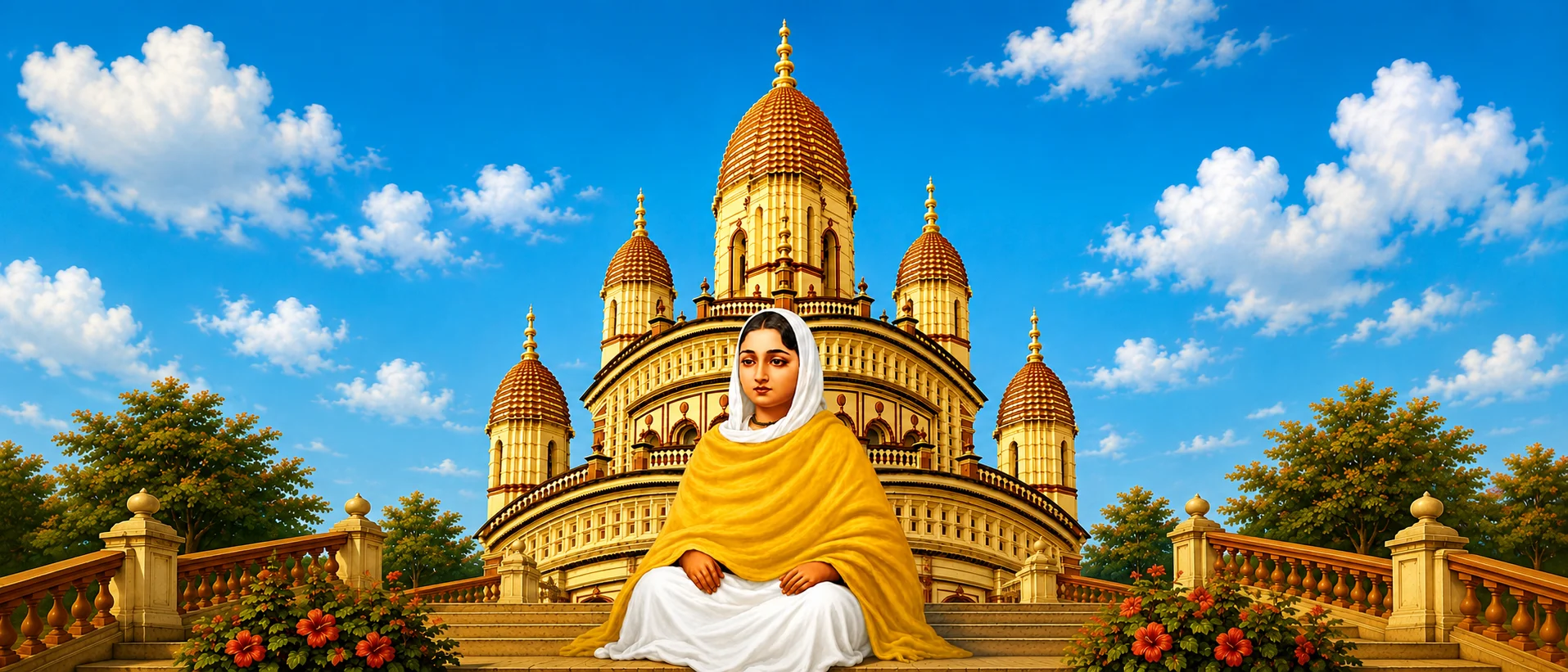
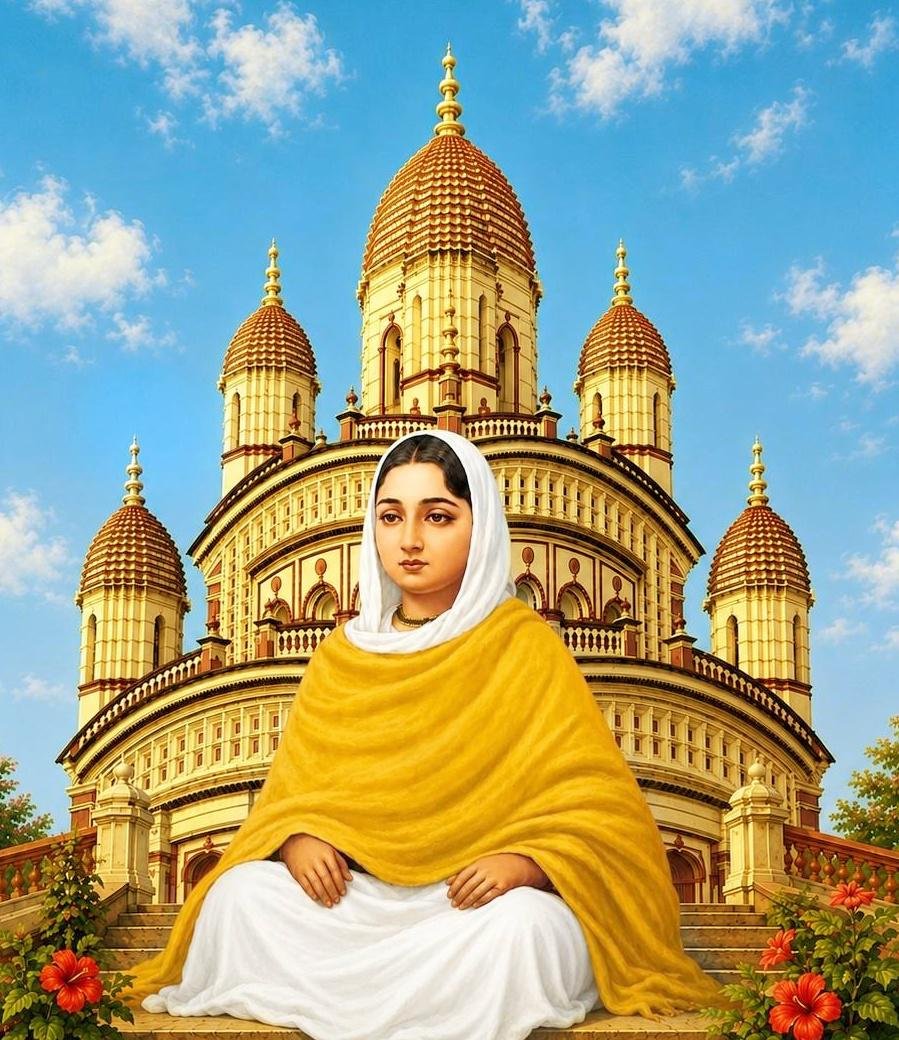
Rashmoni was born in Kona Village of what is Halisahar in North 24 Parganas on 28th September 1793 (11th Ashwin, 1200 BS). She was married in the tender age of eleven to Babu Rajchandra Das, the Zamindar of Jan Bazar of central Calcutta. They had four daughters.
Rajchandra Das died prematurely at the age of 48, forcing the young widow to take on the reigns of the zamindari from behind the purdah, to which society confined her. Being extremely pious from her childhood, Rashmoni continued to lead a religious and austere life, even as she metamorphosed into Rani Rashmoni - taking on the might of the empire; shaking the very foundations of a callous, ignorant and superstitioussocial order; planting the seed of the spiritual renaissance in the land and winning the universal admiration of her subjects as a just and kind ruler. At a time when women were forbidden to cross the threshold of their bedrooms, Rani Rashmoni, who was denied the enlightenment associated with formal education, was not only known for the justice that she meted out, but was also acknowledged as an able ruler who was extremely well versed with all matters relating to the administration of her estate and the economic well-being of both the ruler and the ruled. As a matter of fact, not only was she aware of the laws of the land, but also had the courage to implement it with an iron fist. Daring, on several occasions, to take on the might of the British establishment to uphold the rule of law. One inci- dent that has moved into popular folklore, relates to how she had taken up the cause of some of her subjects - fishermen, on whom the Company had imposed an unjust tax. Legend has it that Rani Rashmoni spent a huge amount to acquire a particular stretch of the Ganges and cordoned it off, so that British ships could not enter the then capital of India, Calcutta and allowed the fishermen to continue with their trade unhindered, without paying the British the taxes that they hated. The Britishers were forced to eat humble pie as they were compelled to withdraw the taxes that they had imposed. The fishermen of the Ganges enjoy the facilities that Rani Rashmoni had bestowed on their forefathers, till date. A similar incident relates to the fishermen of Madhumati, a river in erstwhile eastern Bengal, now Bangladesh, who too could ply their traditional trade without having to pay the British the taxes that were imposed. Similar is the famous spat that the Rani had with the cruel Indigo planters who were hell bent on pillaging the land and forcing the people to untold miseries for their own vested interests. However, the most celebrated of all of Rani Rashmoni's victories against the East India Company Rulers had come when they had obstructed the ceremonial procession (organised from her residence in Jan Bazar, in Central Kolkata) leading the KolaBou to the Ganges for the ceremonial dip on the charge of disturbing the peace. Rani Rashmoni retaliated by enclosing the entire stretch of the road from her palace to the Ganga's ghat by a wooden barricade, which was within the precincts of her zamindary, leading to a showdown. British orders were defied, leading to the imposition of fines, which led to fierce public opposition and rioting in her favour, forcing the British to beat a retreat by entering into a treaty with Rani Rashmoni. It is not that there were no landlords that were richer or were mightier than her in those days. What made Rani Rashmoni universally respected was her political consciousness, diplomatical aptitude her uncompromising patriotism and her principled faithfulness to matters just and equitable. For a woman confined to the inner precincts of the household, with no formal education, that too, in a male dominated, anachronistic world, her feats were remarkable, to put things mildly. Rani Rashmoni's contribution to social causes are also legion. She had the road from the river Subarnarekha to the temple of Lord Jagannath in Puri for the benefit of the pilgrims. The ghats that dot the Ganges - Babughat (built in the memory of her Late Husband Babu Rajchandra Das and formally inaugurated by Lord Bentinck, the then Viceroy of India), Ahiritola and Nimtala were constructed with her funds for the benefit of the daily bathers. The then Imperial Library (now National Library), the Hindu College (Presidency College) and the Metcalf Hall are mute testimonials of her generosi ty. The development of huge infrastructural facilities in what is now greater Kolkata and rest of Bengal, also owes their origin to her foresight and largesse. However, it was her unwavering support to the abolition of Sati and woman education, widow-remarriage like issues - a movement led by Pandit Ishwar Chandra Vidyasagar and that has made her name immortal. As a matter of fact, the Bengal Renaissance, which was to a very great extent the spirit that led to the thought that is modern India cannot be cited without acknowledging the contribution of Rani Rashmoni.
The greatest contribution of Rani Rashmoni to the world as we know it today, was however, the setting up of the Dakshineswar Temple, which had provided the spiritual impetus to history to play out its defining role. The story of the temple, the legends that grew around it, the saints that led the temple to the pinnacle of spiritualism and the way it shaped the destiny of a people, are no less exciting than the revered Rani ed it all and had set it on its sacred course.
It was within these sacred precincts that, Shri Gadadhar Chattopadhyay blossomed into Shri Ramakrishna Paramahamsa Dev, whose life became a living testimony to the Universality of religion and the direct experience of the Divine. It was here that, Shri Narendranath Dutta, restless in his search for truth, encountered his Master and eventually emerged as Swami Vivekananda, the dynamic and wondering monk, who carried India’s spiritual message to the World. Together with Holy Mother Shri Shri Ma Sarada Devi, they formed a spiritual constellation whose influence continues to illuminate humanity.
Today, as the waters of the Ganga continue their timeless journey beside this temple premises, Dakshineswar remains a living centre of faith and inspiration. Millions of devotees arrive seeking solace, strength, and spiritual fulfilment. Yet the challenges that troubled humanity in the nineteenth century have not entirely disappeared. Greed, intolerance, inequality, ignorance, and material excess continue to cast long shadows across society. In different forms, they still distance human beings from their higher nature.
This is why the history of Dakshineswar temple must be told and retold to future generations. It is not merely the anecdot of a temple. It is the chronicle of faith overcoming adversity, of service triumphing over self-interest, and of spiritual awakening transforming society. Dakshineswar stands as a symbol of the power of one individual’s vision to shape the destiny of millions.
The temple embodies the courage of a great lady, who challenged convention, the compassion of a saint, who embraced all faiths, the purity of a Holy Mother, who nurtured humanity and the strength of a monk, who awakened a Nation. Together, they represent a sacred legacy, that continues to inspire seekers across the globe.
As custodians of this heritage, it becomes our collective responsibility to preserve not only the physical grandeur of Dakshineswar but also the ideals it represents— Universal harmony, selfless service, spiritual realisation, and human dignity. In doing so, we honour the past, enrich the present, and help build a future guided by wisdom, compassion, and faith.
Blessed indeed are all those, who come to Dakshineswar temple with hearts open to its message, for here one discovers not merely a temple, but a timeless pathway to the Divine.
Dakshineswar Heritage
Founded 1855 A.D.
Matrishakti Magazine
Public Welfare
About The Lokamata Rani Rashmoni Foundation
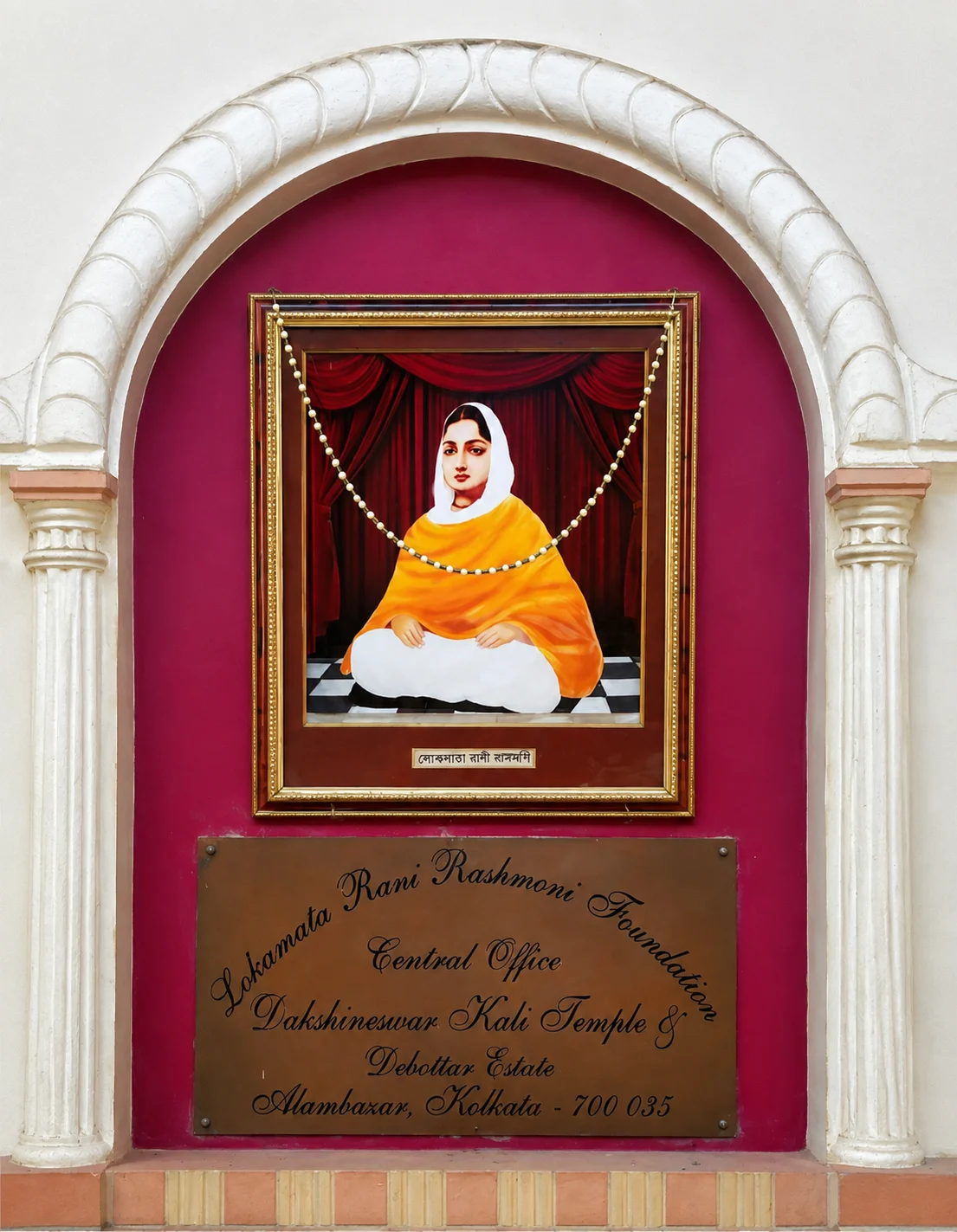
Dakshineswar Kali Temple & Debottar Estate is the self-spiritual creation of Lokamata Rani Rashmoni. Founded on 31st May, 1855 A.D., it has become a place not only of spiritual well-being, known all over the world, but this sacred temple has also played a vital role in the Indian Renaissance of the 19th century. It occupies a unique place in the hearts of millions of devotees, both nationally and internationally, beyond any caste, creed, or religion.The Lokamata Rani Rashmoni Foundation was established on 26th April, 2000 to preserve, promote, and disseminate the enduring spiritual, cultural, and philanthropic legacy of Lokamata Rani Rashmoni through a wide range of educational, heritage, and public welfare initiatives. Lokamata Rani Rashmoni Foundation is committed to rendering all its services for the development of this sacred institution and to extending the philanthropic ideologies and goals of Lokamata Rani Rashmoni. The Foundation continues to work tirelessly towards achieving this objective. In tune with these ideals, as they were Rani Ma's spiritual duties.
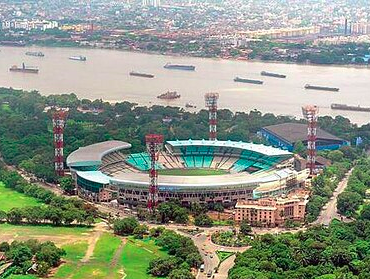
During the British rule, Lokamata Rani Rashmoni donated her personal garden to the then Government, known as Eden Gardens, for use by the general public. The effort is being continued by the Foundation to rename the same as Rani Rashmoni Udyan, or by any other similar name of Rani Ma.
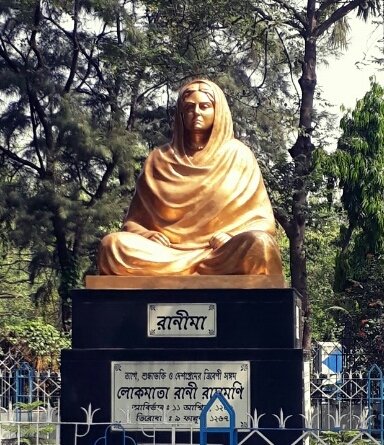
The renovation and restoration of the statue of Rani Ma, situated at Rani Rashmoni Avenue, Kolkata, has already been completed through the proactive initiative of the Foundation.
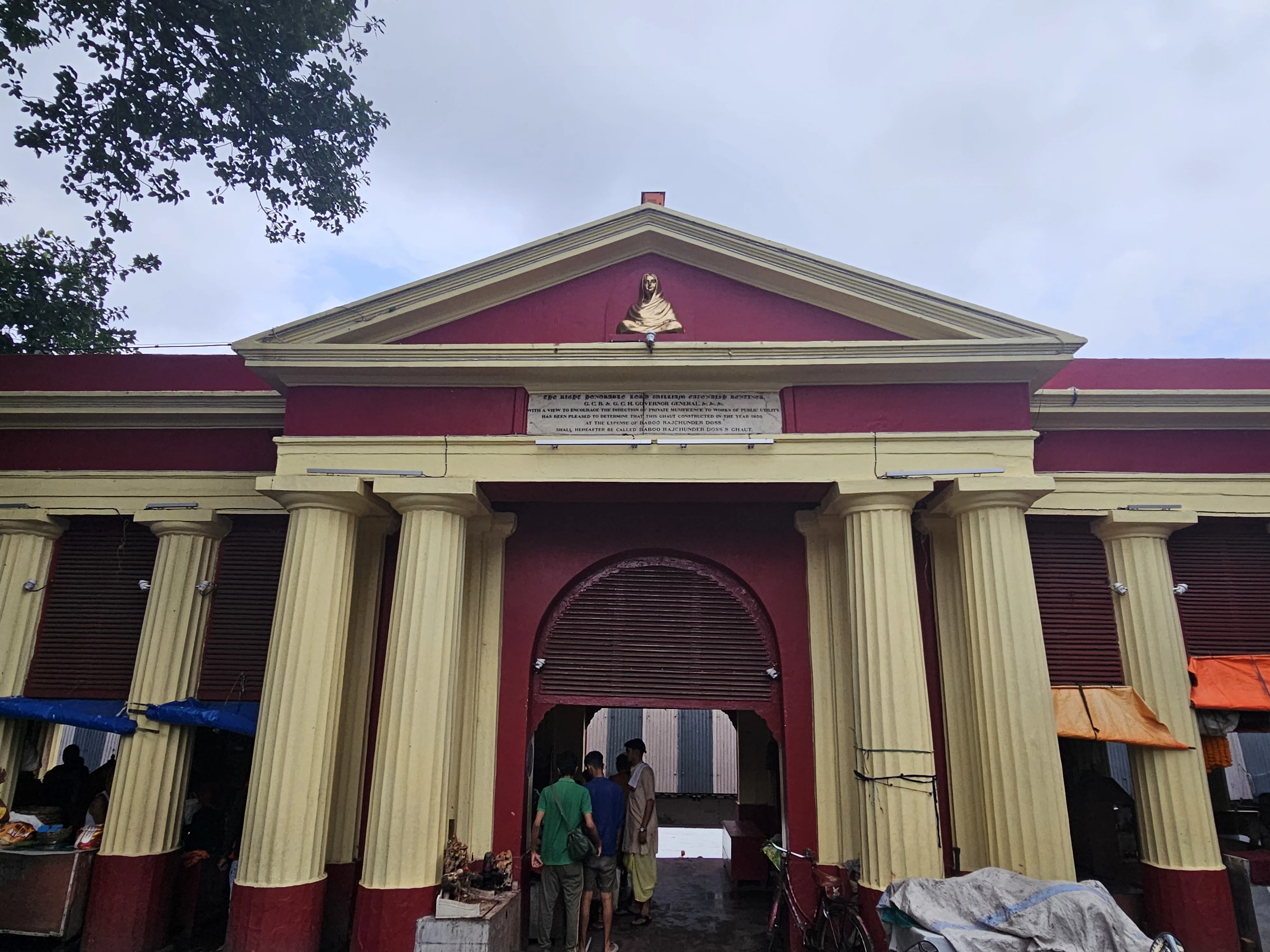
Presently, Babughat is in a dilapidated condition. It was built at the instance of Lokamata Rani Rashmoni in the respectful memory of her late husband, Raja Rajchandra Das. Although the said ghat is used by innumerable members of the general public day in and day out, it is a Heritage Ghat, and more renovation work is needed. The Foundation is committed to play a pivotal role into this.
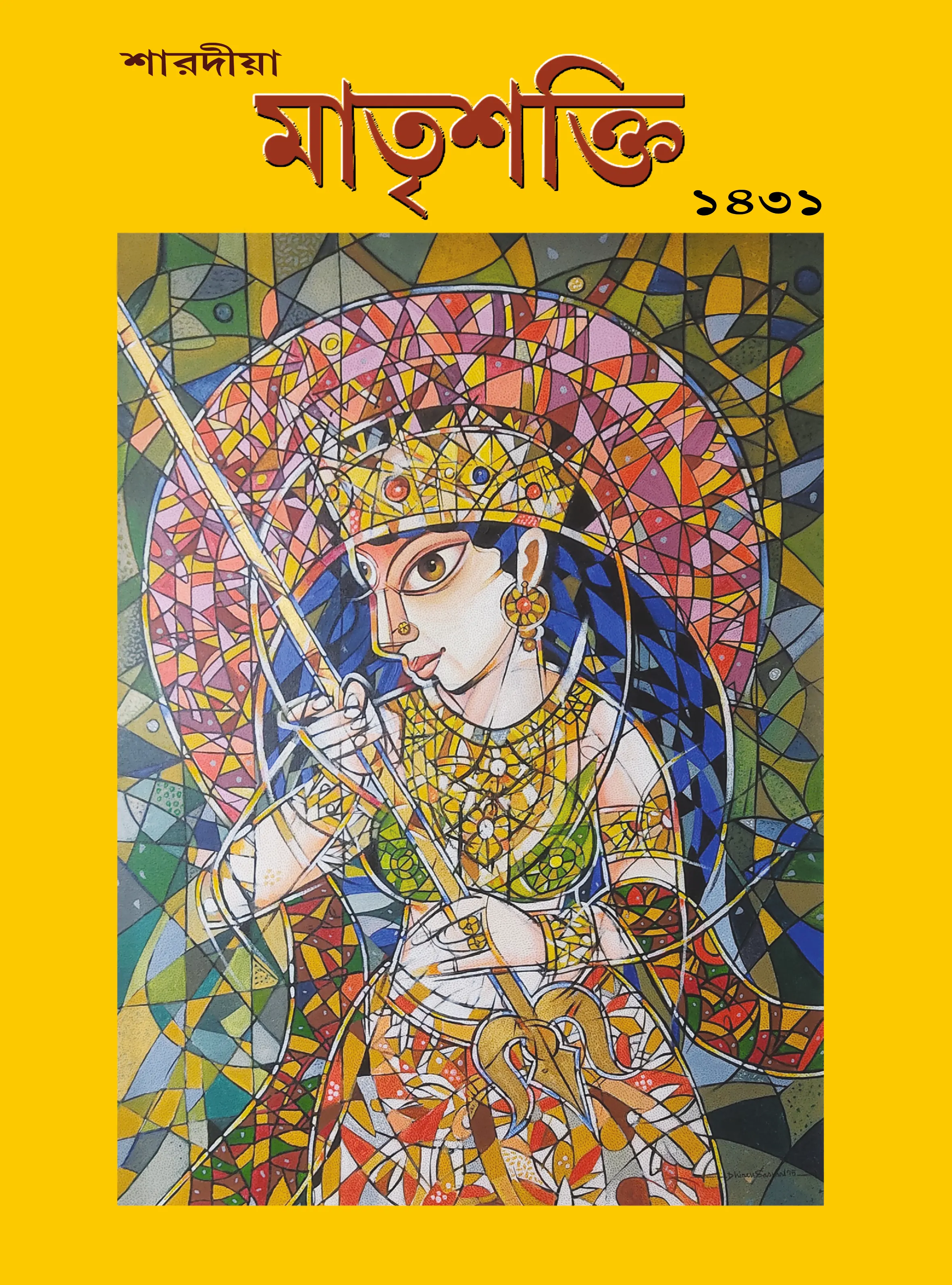
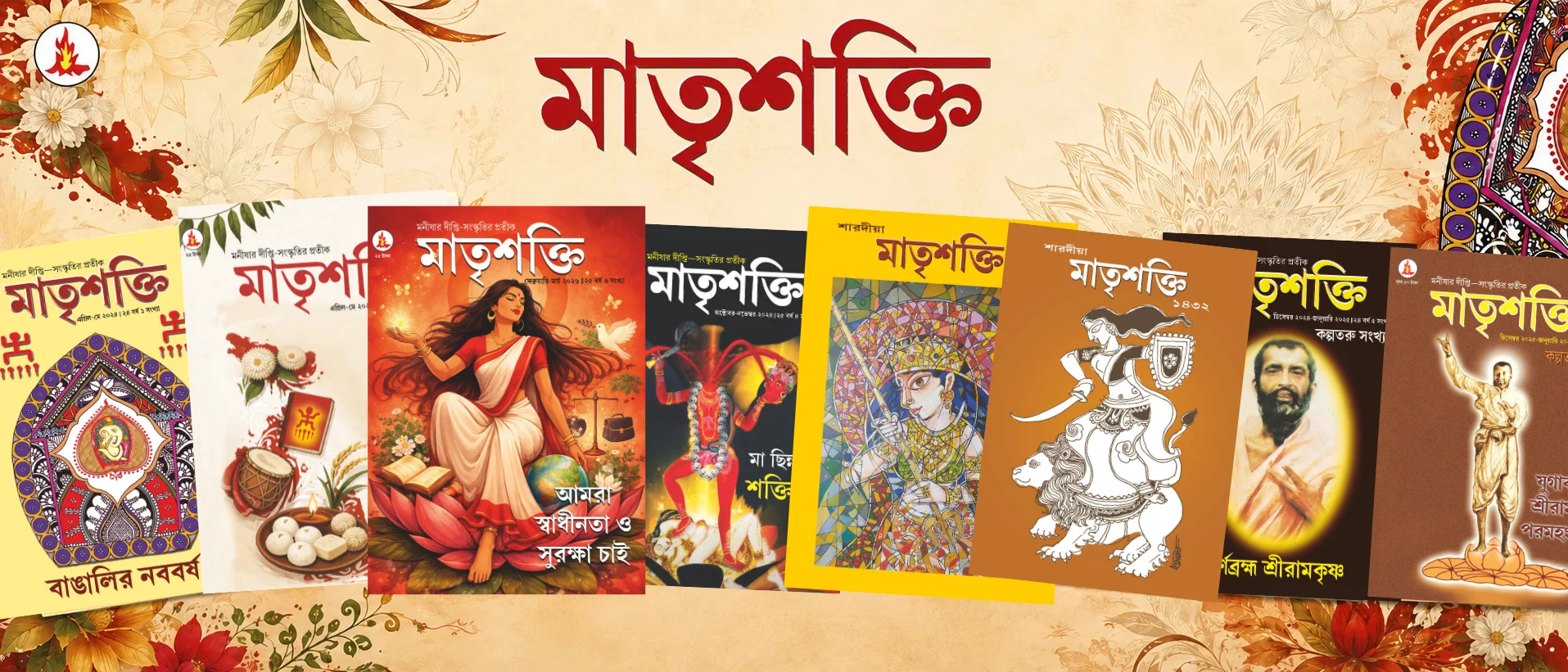
To encourage, assist, and disseminate knowledge and information; and to publish journals, books, bulletins, circulars, and other publications. To further this objective, the bi-monthly Bengali magazine MATRISHAKTI was launched in the year 2000. The publication features articles and essays on literature, spirituality, sports, and various other subjects, aiming to foster intellectual, cultural, and moral development among valued readers.
For this magazine’s overall development, the Foundation organises meeting, conference, seminar and other socio-cultural programme.
Tributes & Recognition
Our Homage
Presidency University
Presidency University paid solemn homage to Lokamata Rani Rashmoni, acknowledging her extraordinary contribution to Bengal’s social, cultural, and spiritual renaissance.
The tribute celebrated her visionary leadership, commitment to education, philanthropy, and social reform, inspiring students and scholars to draw strength from her enduring legacy.
The homage reaffirmed her place as one of the most influential women in the history of modern India.
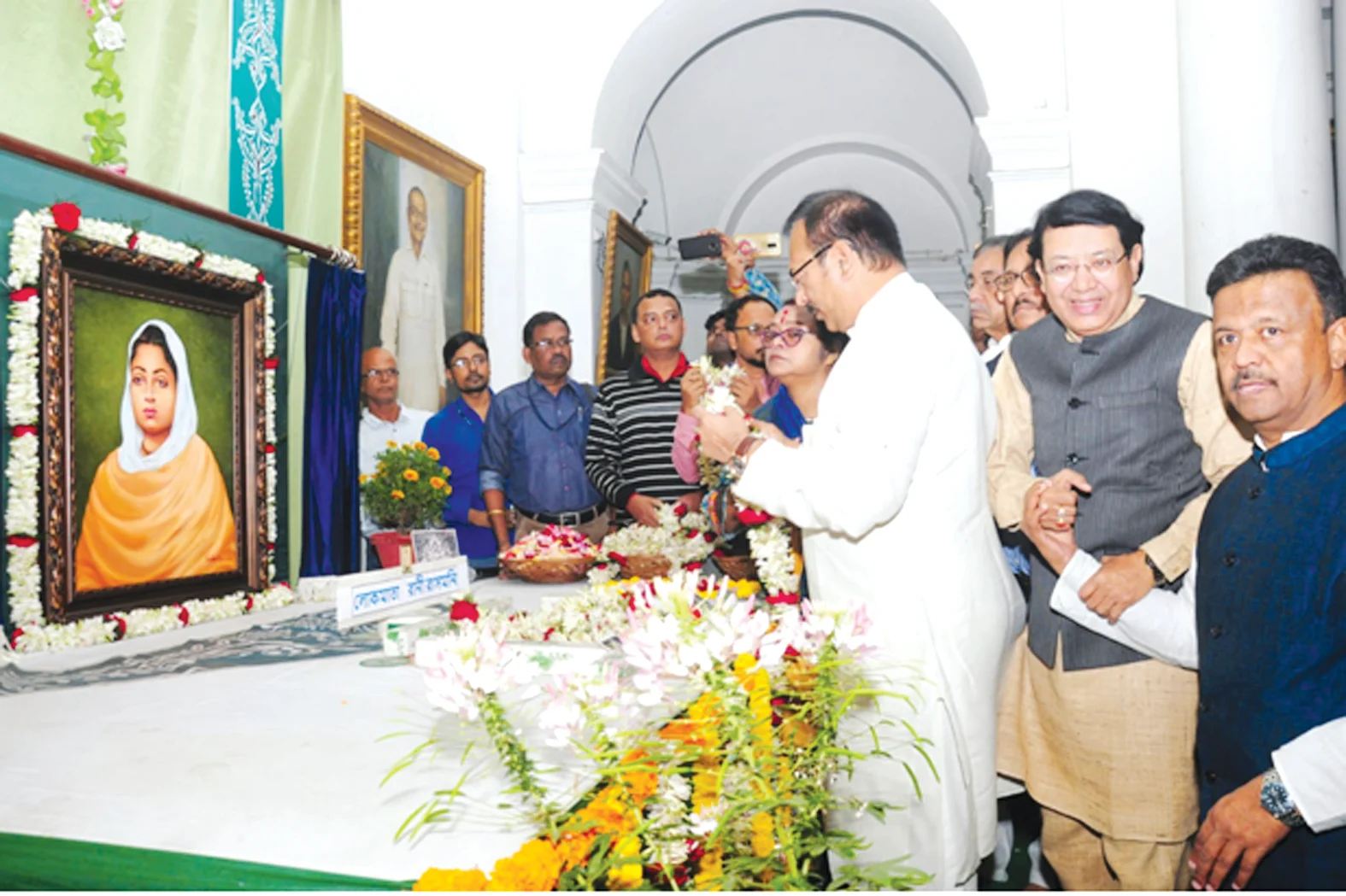
West Bengal Legislative Assembly
The West Bengal Legislative Assembly honoured the memory of Lokamata Rani Rashmoni by paying its respectful homage to this iconic daughter of Bengal.
The tribute recognised her invaluable contribution to public welfare, social justice, religious harmony, and the preservation of India’s spiritual heritage.
Such recognition by the State Legislature stands as a testament to her enduring relevance in the history and public life of Bengal.
Indian Museum
The Indian Museum, India’s oldest and largest museum, paid tribute to Lokamata Rani Rashmoni in recognition of her lasting contribution to the nation’s cultural and historical heritage.
The homage celebrated her remarkable vision, her patronage of religion and culture, and her enduring influence on the social fabric of nineteenth-century Bengal.
It reaffirmed her significance as a towering historical personality whose legacy continues to inspire generations.
MAKAIAS
The Maulana Abul Kalam Azad Institute of Asian Studies (MAKAIAS) honoured Lokamata Rani Rashmoni by paying homage to her life and achievements.
The tribute recognised her as an exceptional philanthropist, social reformer, and visionary leader whose contributions transcended her time and continue to hold enduring relevance.
By commemorating her legacy, the Institute acknowledged her profound impact on India’s social, cultural, and spiritual history and reaffirmed her place among the nation’s most revered historical figures.
Governance
Settlor , Board of Trustee & Public Relation Officer
Settlor
- Shri Kusal Chowdhury
Board of Trustee
- Shri Rajat Das
- Shri Supriyo Biswas
- Shri Abhijit Chowdhury
- Shri Debjit Hazra
- Shri Chandan Biswas
- Shri Avijit Mukherjee
- Shri Debabrata Roy
Public Relation Officer
- Jayaty Chowdhury
Updates
Our Focus
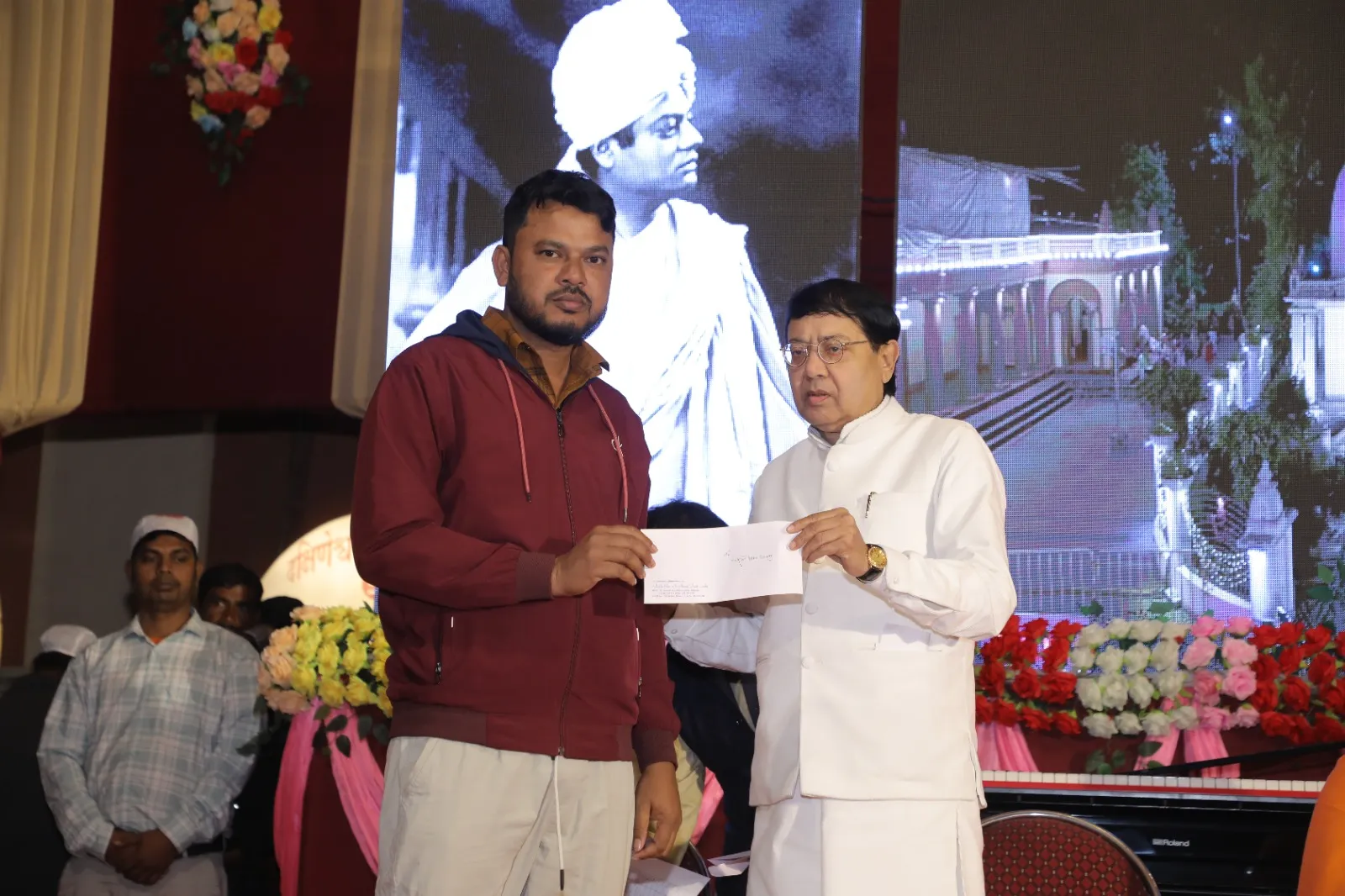
[Placeholder — replace with the verified account once available] The Foundation undertakes public welfare initiatives at a mass scale, extending aid, relief, and support to a large number of beneficiaries across communities.
Further details, figures, locations, and photographs from these initiatives can be added here as they become available.

The Foundation's book fair brings together readers, publishers, and the wider community to celebrate literature, learning, and lifelong curiosity.
Further details, dates, participating publishers, and photographs from the event can be added here as they become available.
MATRISHAKTI magazine is connected with the Foundation's wider commitment to knowledge dissemination, moral development, literature, spirituality, sports, and socio-cultural programmes.
The publication can serve as a platform for articles, reports, reflections, Foundation updates, and documentation of heritage and public welfare activities.
Further editorial notes, issue highlights, contributor information, and archive details can be added here as the publication section grows.
The Anandam Stall is organised by the Foundation as part of its public welfare outreach, spreading joy, food, and fellowship within the community.
Further details, schedules, and updates about this initiative can be added here as they become available.
Dakshineswar Temple
Dakshineswar Kali Temple
Built by Rani Rashmoni on the eastern bank of the Hooghly river, Dakshineswar Kali Temple stands as one of the most revered centres of devotion in Bengal, dedicated to Maa Bhavatarini Kali.
The temple complex, consecrated on 31st May 1855 A.D., comprises the main nine-spired temple to Maa Bhavatarini, twelve shrines dedicated to Lord Shiva along the riverbank, a temple to Radha-Krishna, and the Natmandir used for worship and cultural gatherings.
Dakshineswar rose to spiritual prominence through its association with Shri Ramakrishna Paramahamsa, Holy Mother Sarada Devi, and Swami Vivekananda, whose presence transformed the temple into a living centre of faith that continues to draw devotees from across the world.
Read the Heritage
12+
Shiva Shrines
Twelve temples dedicated to Lord Shiva line the riverbank within the temple complex.
Medical Relief
Charitable Medical Support
The Foundation establishes, aid, or support hospitals, clinics, charitable dispensaries, sanatoria, mobile medical units, ambulances, laboratories, and medical camps.
Charitable Dispensaries
Medical relief for poor, sick, and infirm persons.
Mobile Medical Units
Mobile care, ambulances, and field medical support.
Medical Camps
Laboratories, surgical camps, and public health assistance.
Rani Rashmoni Ideals
Faith, Harmony, Service, and Human Dignity
Universal Harmony
The heritage represents the universality of religion and the direct experience of the Divine.
Selfless Service
The Foundation extends Rani Rashmoni's philanthropic ideals through practical service.
Spiritual Realisation
Dakshineswar remains a living centre of faith, solace, strength, and fulfilment.
Human Dignity
The work honours the past and helps build a future guided by wisdom and compassion.
Publications
Matrishakti Magazine
Matrishakti
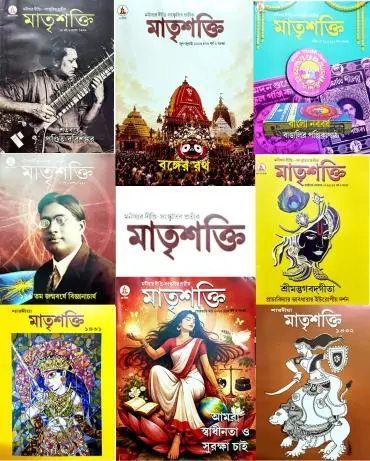
Matrishakti is the official magazine of the Lokamata Rani Rashmoni Foundation, dedicated to preserving and promoting India’s rich spiritual, cultural, historical, and intellectual heritage. Inspired by the life and ideals of Lokamata Rani Rashmoni, the magazine serves as a platform for thoughtful discourse on spirituality, philosophy, history, literature, heritage, social reform, and contemporary issues viewed through the lens of Indian values.
Published with a commitment to scholarly excellence and cultural authenticity, Matrishakti features original research articles, historical studies, essays, interviews, archival material, literary works, and reports on the Foundation’s activities and initiatives. Special emphasis is placed on the legacy of Lokamata Rani Rashmoni, the Dakshineswar Kali Temple, Sri Ramakrishna, Holy Mother Sri Sarada Devi, Swami Vivekananda, and the broader spiritual and cultural traditions that have shaped India’s civilisational identity.
The magazine seeks to bridge the past and the present by making timeless knowledge accessible to contemporary readers while encouraging meaningful dialogue among scholars, researchers, devotees, students, and the wider public. Through every issue, Matrishakti aspires to inspire intellectual inquiry, spiritual reflection, cultural awareness, and a deeper appreciation of India’s enduring heritage.
Books
Dakshineswar Kali Mandirer Itibritta
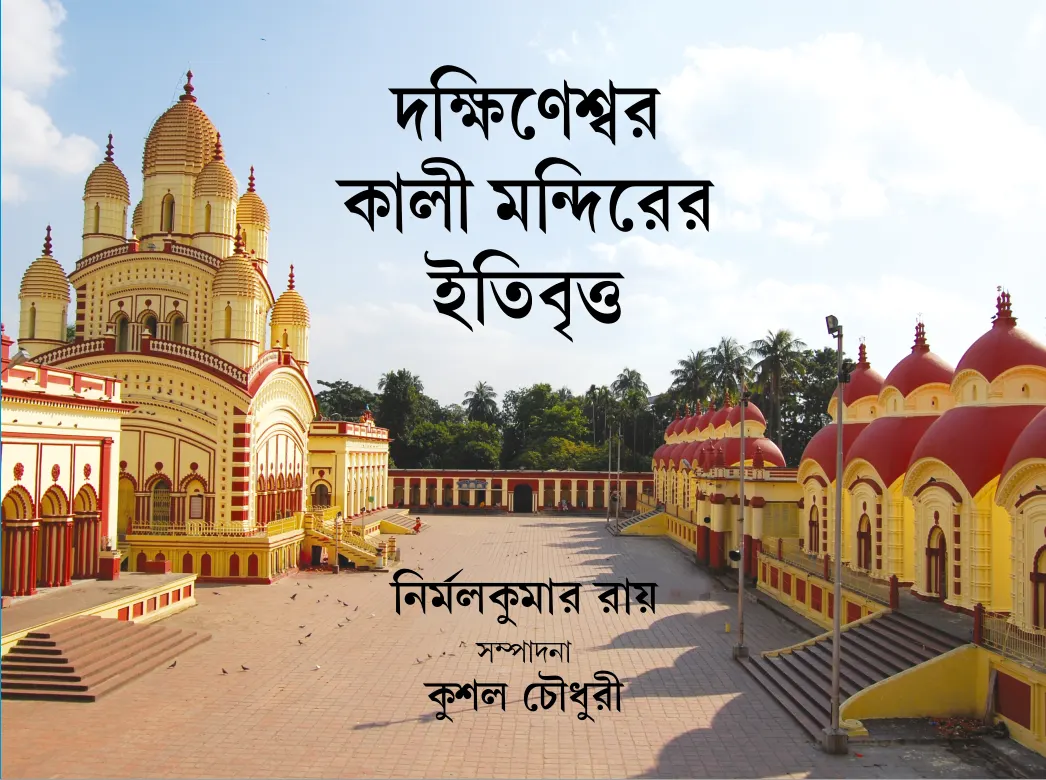
“Dakshineswar Kali Temple: A Historical Account” is an important historical and research-based publication that presents a well-structured account of the history of the sacred Dakshineswar temple, the life and spiritual journey of Lokamata Rani Rashmoni, the background of the temple’s establishment, and the rich spiritual heritage associated with this holy pilgrimage centre. The Dakshineswar Kali Temple was established in 1855 through the initiative of Rani Rashmoni and later became a world-renowned centre of spirituality through its profound association with the spiritual practices of Sri Ramakrishna Paramahamsa.
In this book, author Nirmal Kumar Roy has presented a detailed narrative of the establishment and evolution of the Dakshineswar Temple based on historical references, authentic documents, reminiscences, and extensive research materials. The book gives special importance to Rani Rashmoni’s remarkable vision, devotion, commitment to public welfare, and her significant contribution to the social and cultural history of Bengal.
Editor Kusal Chowdhury has enriched the publication by organising and refining the content, making it more comprehensive, informative, and accessible to readers. Under his editorial guidance, the book has become not merely a history of a temple, but also a valuable document reflecting nineteenth-century Bengal’s social transformation, religious awakening, and the humanitarian ideals of Rani Rashmoni.
The Dakshineswar Kali Temple is not merely a place of worship; it is one of the significant centres of Bengal’s spiritual renaissance. It bears a deep historical connection with the spiritual practices of Sri Ramakrishna, the presence of Holy Mother Sri Sarada Devi, and the ideals propagated by Swami Vivekananda. This book is a significant endeavour to preserve this multifaceted heritage and transmit it to future generations.
For history enthusiasts, researchers, devotees, and lovers of culture, “Dakshineswar Kali Temple: A Historical Account” is an invaluable work that helps readers understand the spiritual grandeur of Dakshineswar and the extraordinary contribution of Lokamata Rani Rashmoni.
Matrishakti Prabandha Sankolon
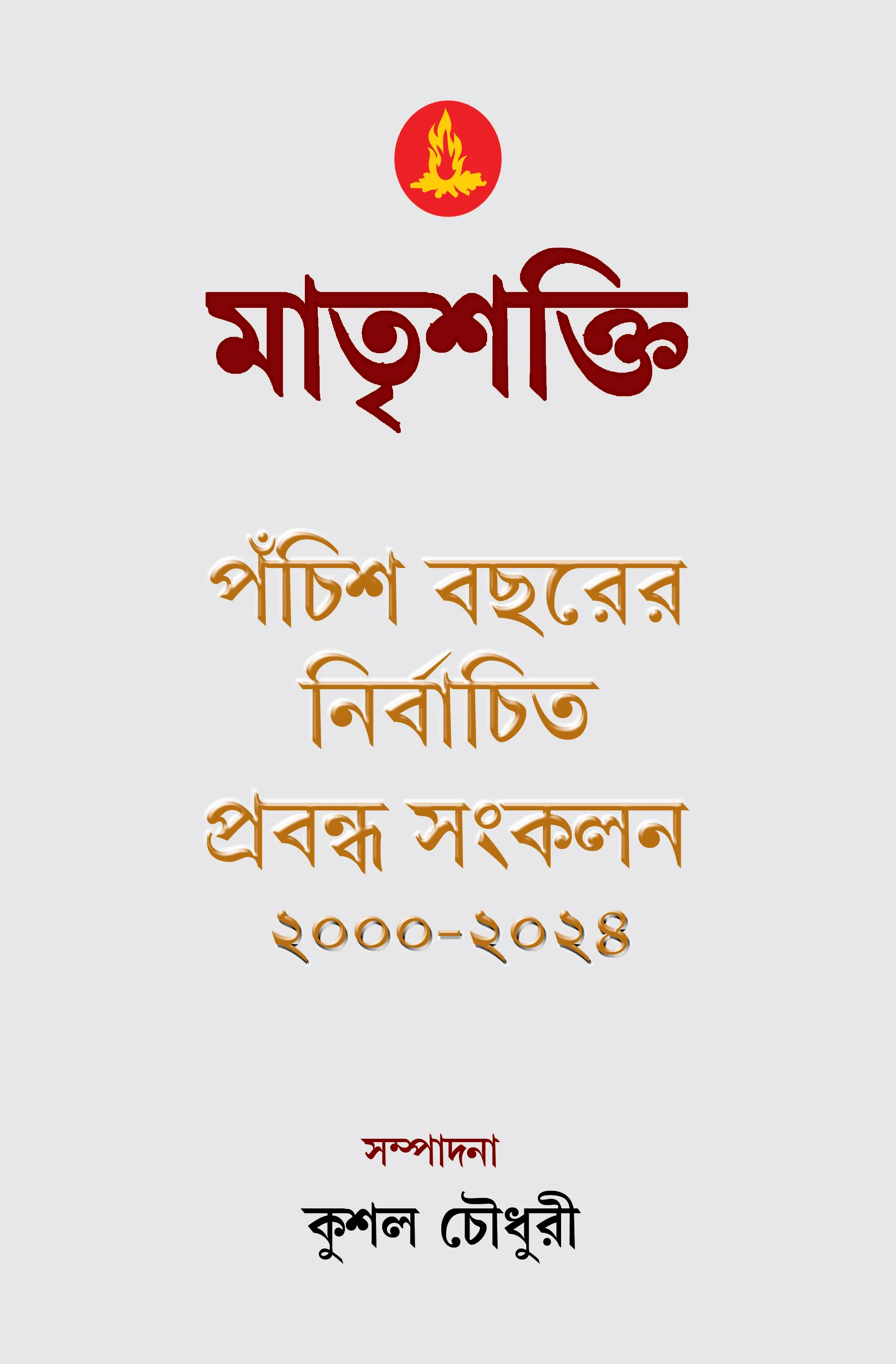
Matrishakti Prabandha Sankalan is a valuable collection of insightful essays that reflects the rich spiritual, cultural, historical, and intellectual heritage associated with Lokamata Rani Rashmoni and the traditions of Bengal. The compilation brings together thoughtful writings by eminent scholars, researchers, writers, and experts, offering diverse perspectives on subjects related to history, religion, society, literature, heritage, and spirituality.
The essays in this volume explore the extraordinary life and contributions of Lokamata Rani Rashmoni, her role as a social reformer and philanthropist, the establishment and legacy of Dakshineswar Kali Temple, and the wider cultural and spiritual movements that shaped nineteenth-century Bengal. Through research-based articles and reflective writings, the book seeks to preserve important historical narratives and make them accessible to contemporary readers.
Matrishakti Prabandha Sankalan is not only a compilation of essays but also a sincere effort to document and celebrate the ideals of devotion, compassion, courage, and service exemplified by Lokamata Rani Rashmoni. It serves as a meaningful resource for researchers, students, devotees, and readers interested in India’s spiritual and cultural traditions.
Published as part of the Foundation’s endeavour to promote knowledge, heritage, and intellectual dialogue, this collection contributes to the preservation and dissemination of Bengal’s invaluable cultural legacy for future generations.
National Honours
Legacy Collections
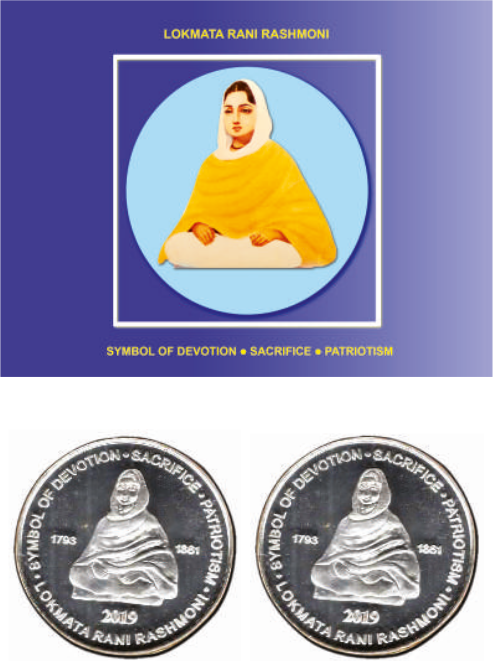
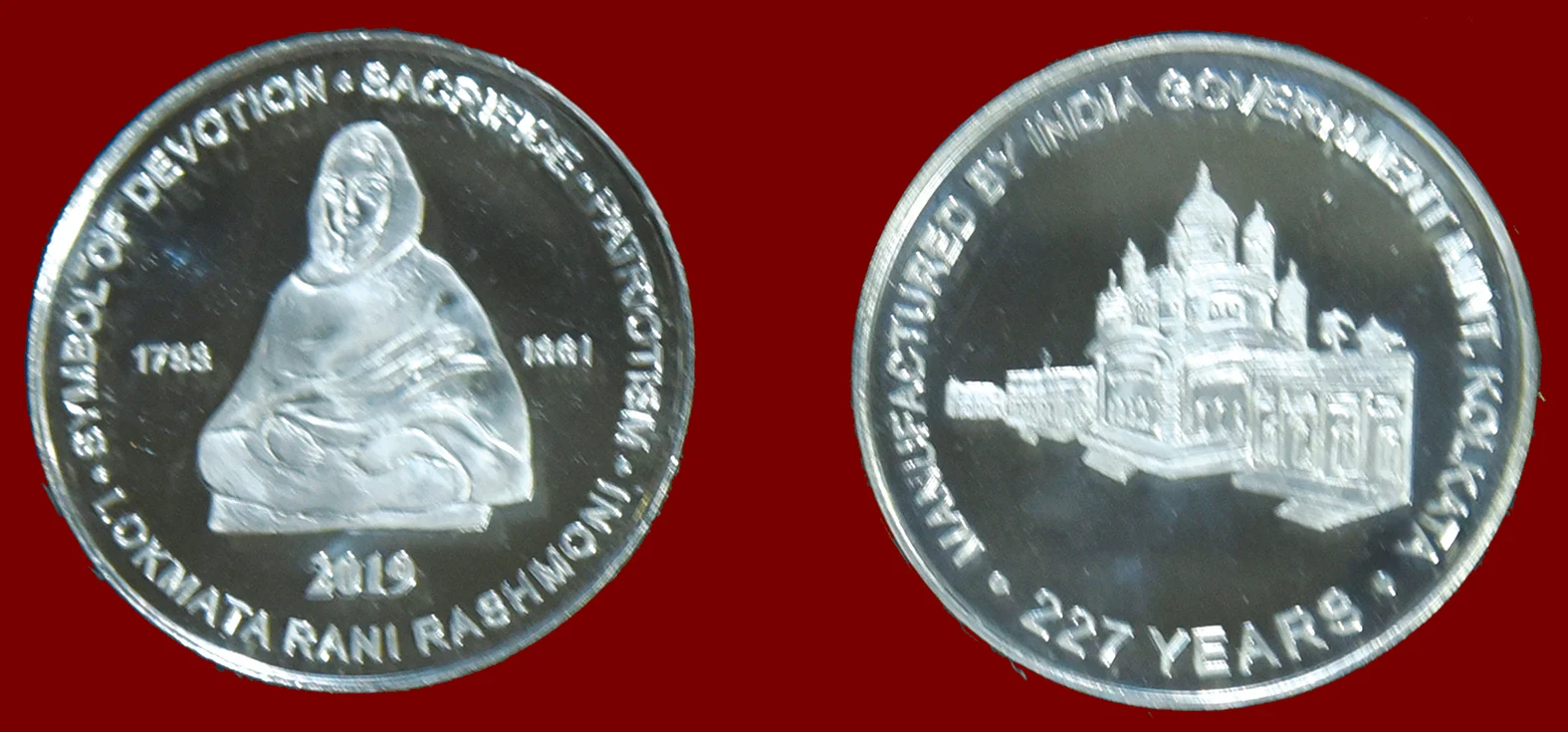
Released a special commemorative silver coin in honour of Lokamata Rani Rashmoni by India Government Mint, Kolkata
As a mark of the nation’s profound respect for the life and legacy of Lokamata Rani Rashmoni, the India Government Mint, Kolkata, issued a Special Commemorative Silver Coin in her honour.
This distinguished numismatic tribute commemorates the remarkable achievements of one of India’s foremost philanthropists and social visionaries. Revered as the founder of the historic Dakshineswar Kali Temple and celebrated for her unwavering commitment to public welfare, religious harmony, women’s empowerment, and social justice, Lokamata Rani Rashmoni occupies an eminent place in the cultural and spiritual history of India.
The commemorative silver coin stands as an enduring symbol of national gratitude, preserving her extraordinary legacy for future generations and reaffirming her timeless contribution to the nation’s heritage.
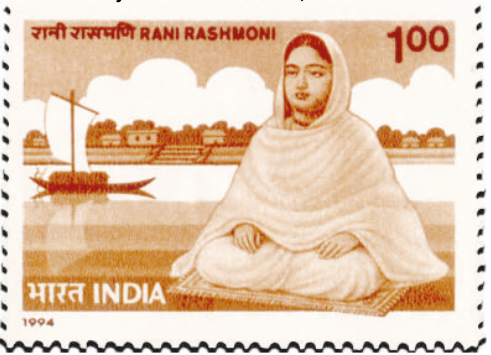
Stamp of Lokamata Rani Rashmoni unveiled by the Department of Posts, Ministry of Communications, Govt. of India
In recognition of her immense contribution to the nation, the Department of Posts, Ministry of Communications, Government of India, issued and unveiled a Commemorative Postage Stamp dedicated to Lokamata Rani Rashmoni.
The issuance of this commemorative stamp represents one of the highest philatelic honours bestowed upon distinguished personalities whose lives have profoundly enriched the nation. Through this tribute, the Government of India acknowledged Rani Rashmoni’s unparalleled service to society, her pioneering spirit, and her lasting influence on India’s religious, cultural, and humanitarian traditions.
The stamp serves as a lasting reminder of her inspiring life and carries her legacy across the country and the world, introducing generations of citizens to her enduring ideals of compassion, courage, and selfless service.
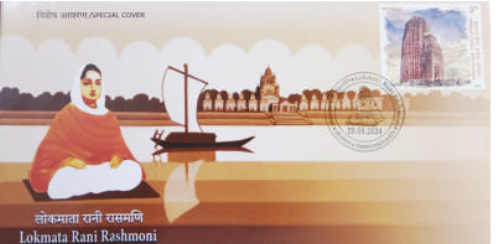
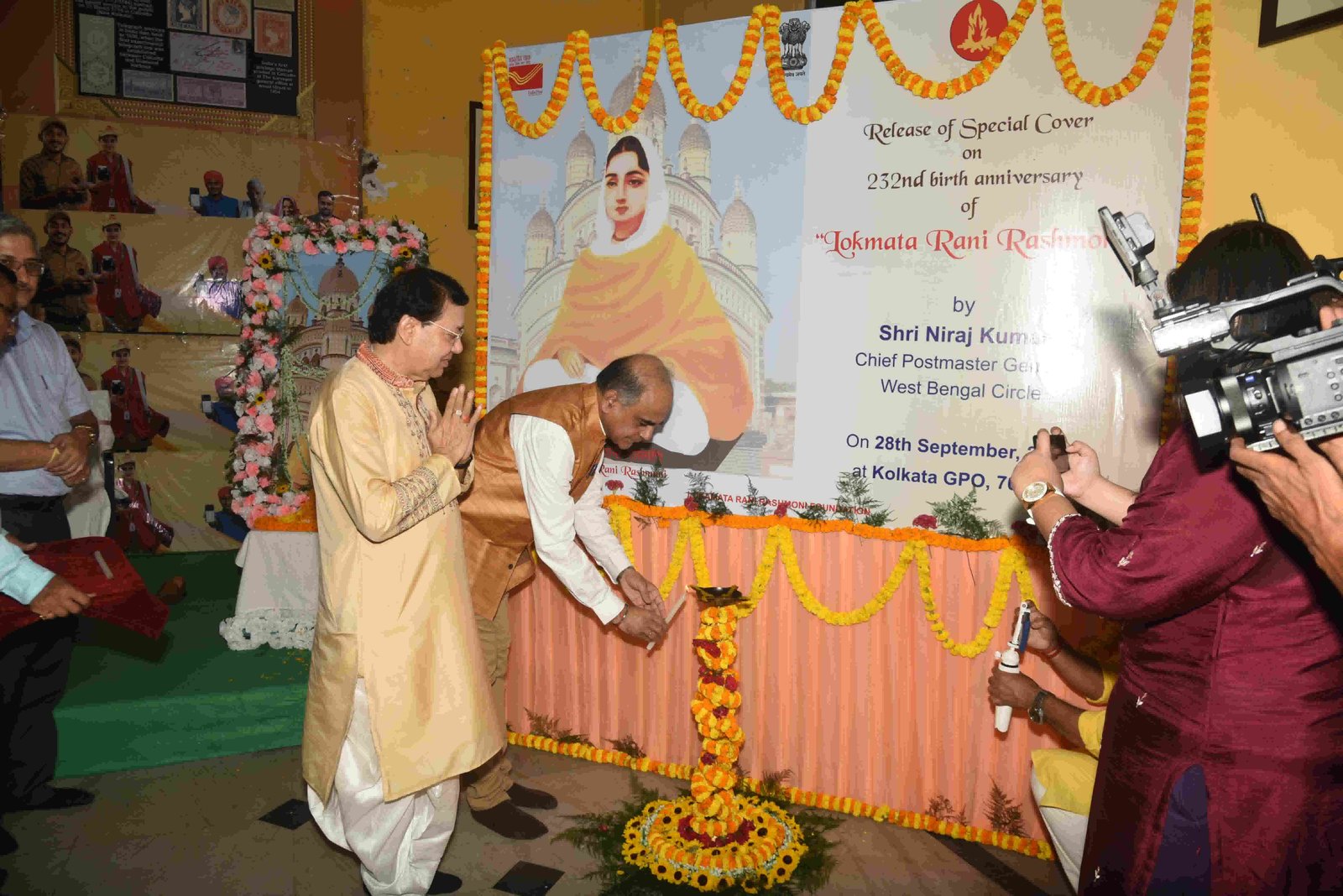
Special Cover of Lokamata Rani Rashmoni unveiled by the Department of Posts, Ministry of Communications, Govt. of India
Further commemorating her exceptional legacy, the Department of Posts, Ministry of Communications, Government of India, released a Special Cover in honour of Lokamata Rani Rashmoni.
Special Covers are issued to commemorate personalities and events of enduring historical and national importance. The release of this philatelic tribute reflects the nation’s recognition of Lokamata Rani Rashmoni’s monumental contribution to India’s spiritual and cultural heritage. It celebrates her lifelong dedication to philanthropy, social reform, and religious devotion, while acknowledging her invaluable role in establishing the Dakshineswar Kali Temple, one of India’s most revered centres of pilgrimage.
Today, the Special Cover remains an important philatelic collectible and a cherished symbol of national respect, ensuring that the legacy of Lokamata Rani Rashmoni continues to inspire scholars, devotees, collectors, and citizens across generations.
Donations
Contribution for Charity & Social Welfare
Donate to Relief Fund
Relief during poverty, distress, and natural calamities.
Student Scholarship Fund
Scholarships, grants, and educational aid.
Donate To CSR Fund
Foreign Donation
Foreign contributions for Foundation objectives.
Donate Online
Contact Us
Central Office
কেন্দ্রীয় কার্যালয়
Dakshineswar Kali Temple & Debottar Estate, Post Office - Alambazar, Kolkata - 700035 দক্ষিণেশ্বর কালী মন্দির ও দেবোত্তর এস্টেট, ডাকঘর – আলমবাজার, কলকাতা – ৭০০০৩৫
(033) 2564-8888, 8240163665 (০৩৩) ২৫৬৪-৮৮৮৮, ৮২৪০১৬৩৬৬৫ lokamataranirashmonifoundation@gmail.comEditorial Office
সম্পাদকীয় কার্যালয়
19/8 Seal Lane, Kolkata - 700015 ১৯/৮ সিল লেন, কলকাতা – ৭০০০১৫
lrrf_matrishakti@yahoo.inApprovals
12AB(1)(b) & 80G(5) Approvals
12AB(1)(b)
Lokamata Rani Rashmoni Foundation is registered under Section 12AB(1)(b) of the Income Tax Act, as per the approval order issued by the Income Tax Department.
80(G) Certificate
The Foundation is also recognized under Section 80G of the Income Tax Act, enabling donors to claim tax deduction benefits on their contributions towards our charitable activities.
Video Gallery
Video Gallery
Library
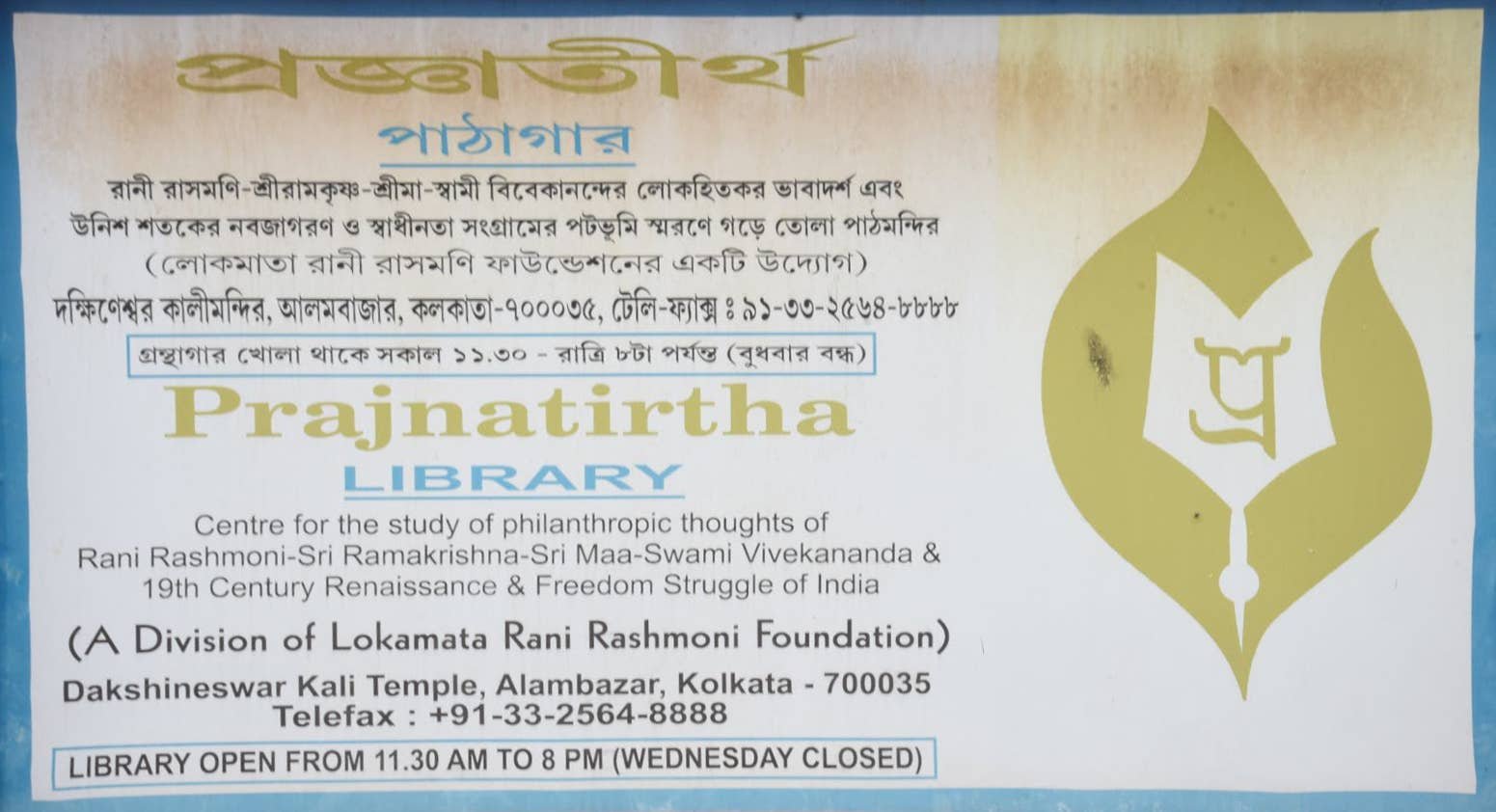
Prajnatirtha Library
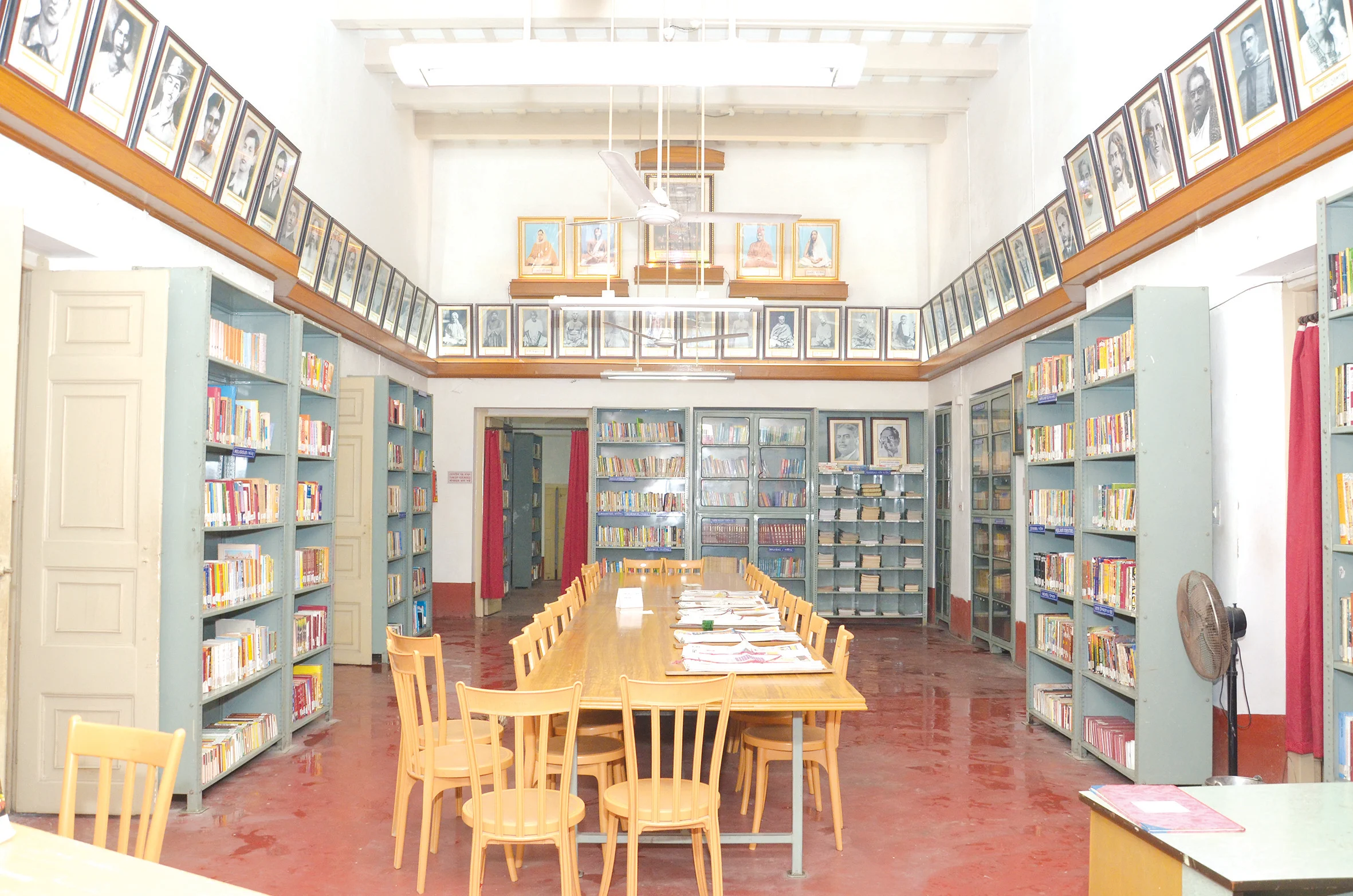
A Centre of Knowledge, Research and Cultural Heritage at Dakshineswar Kali Temple Complex
Located within the historic Kuthibari premises of the Dakshineswar Kali Temple Complex, the Prajnatirtha Library stands as a dedicated centre for the preservation, promotion, and dissemination of knowledge, research, and cultural heritage. Inspired by the spiritual and intellectual legacy of Lokamata Rani Rashmoni, the Library embodies her vision of social upliftment through education, enlightenment, and service to humanity.
The establishment of Prajnatirtha Library marks a significant step towards creating a vibrant space for scholars, researchers, students, devotees, and knowledge seekers. The Library aims to develop a rich collection of books, rare publications, archival documents, manuscripts, journals, and digital resources covering diverse fields such as history, religion, philosophy, spirituality, literature, culture, social reform, and the heritage of Bengal.
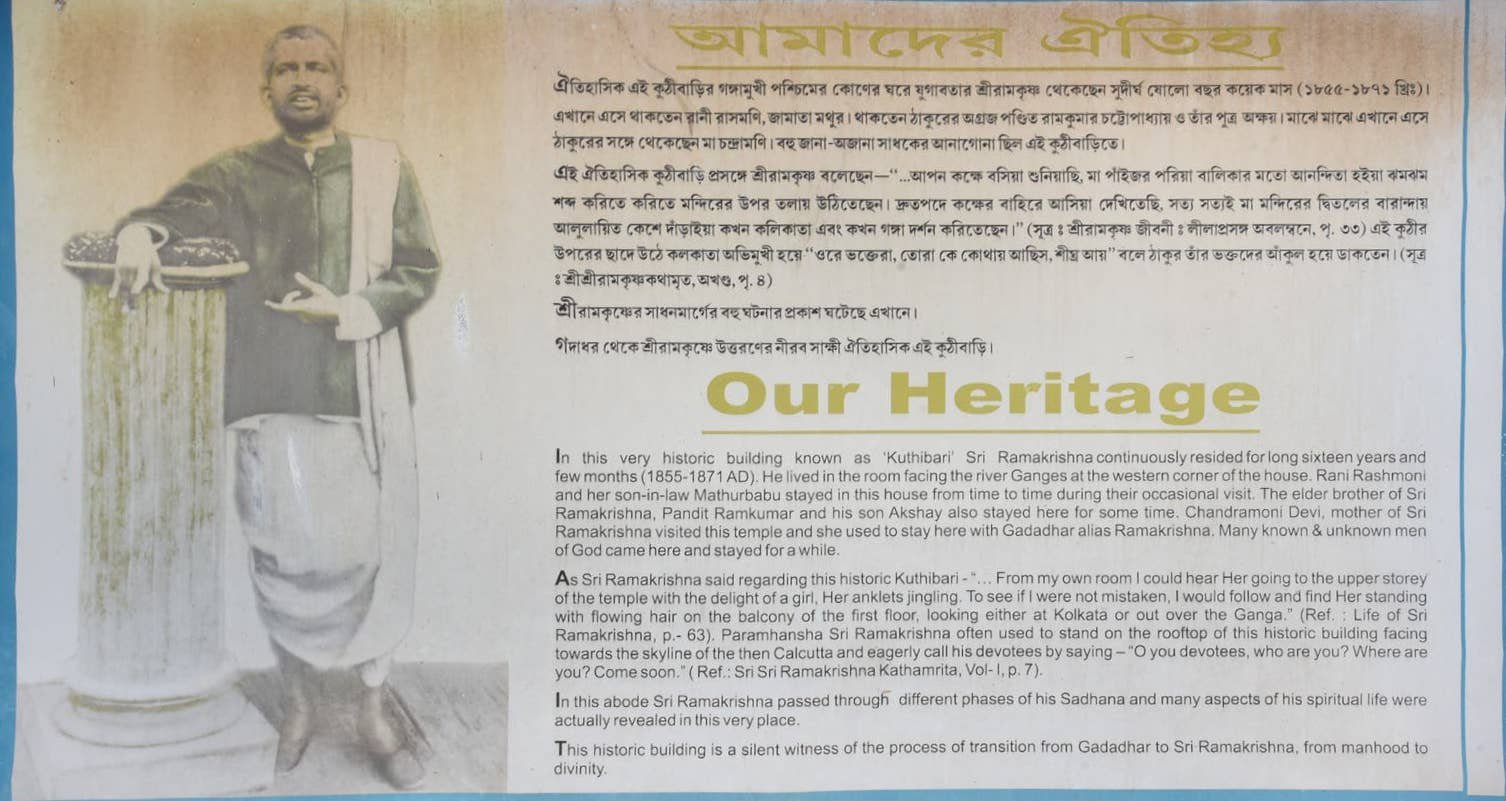
Situated in the sacred environment of Dakshineswar, a place deeply associated with Sri Ramakrishna Paramahamsa, Holy Mother Sri Sarada Devi, and Swami Vivekananda, the Library provides an inspiring atmosphere for study, contemplation, and research. It seeks to encourage academic exploration of the Dakshineswar tradition, the life and contributions of Rani Rashmoni, the evolution of Bengal’s spiritual renaissance, and India’s broader cultural and religious heritage.
Prajnatirtha Library is envisioned not merely as a repository of books, but as a living centre of learning and dialogue. Through seminars, lectures, discussions, exhibitions, publication initiatives, and research activities, it aims to connect the wisdom of the past with the aspirations of the present generation.
The historic Kuthibari, which has witnessed many important chapters in the spiritual journey of Dakshineswar, provides a fitting setting for this initiative. The Library carries forward the timeless message of knowledge, compassion, and human welfare that formed the foundation of Lokamata Rani Rashmoni’s life and ideals.
Through Prajnatirtha Library, the Dakshineswar Kali Temple Complex seeks to create a bridge between heritage and modern scholarship, ensuring that the invaluable spiritual, cultural, and historical legacy of Dakshineswar continues to inspire generations to come.
Note:
For Membership, Contact Directly:
2564-8888, 2564-5222 (Extension: 25)
Office Hours (Except Wednesday):
11:00 AM to 7:30 PM
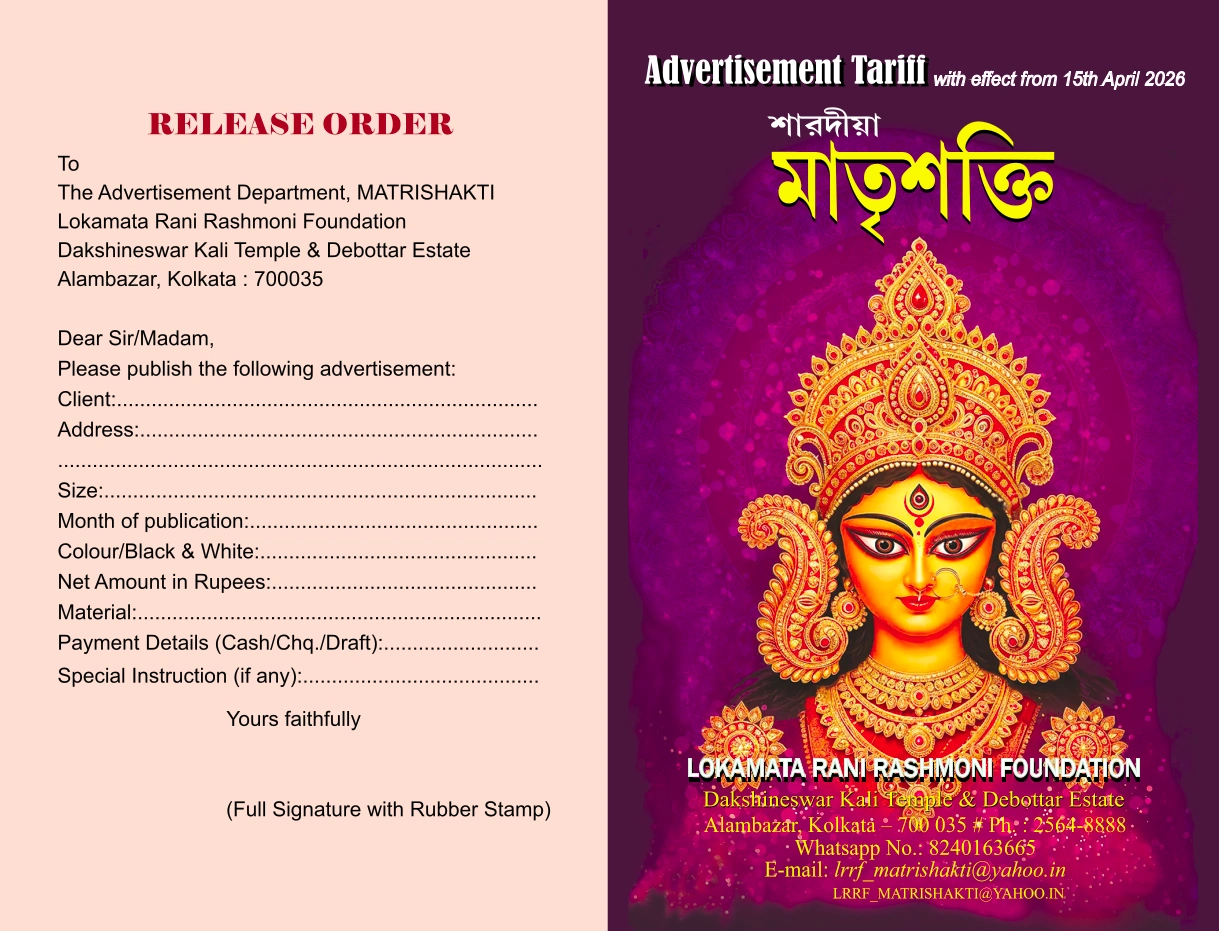
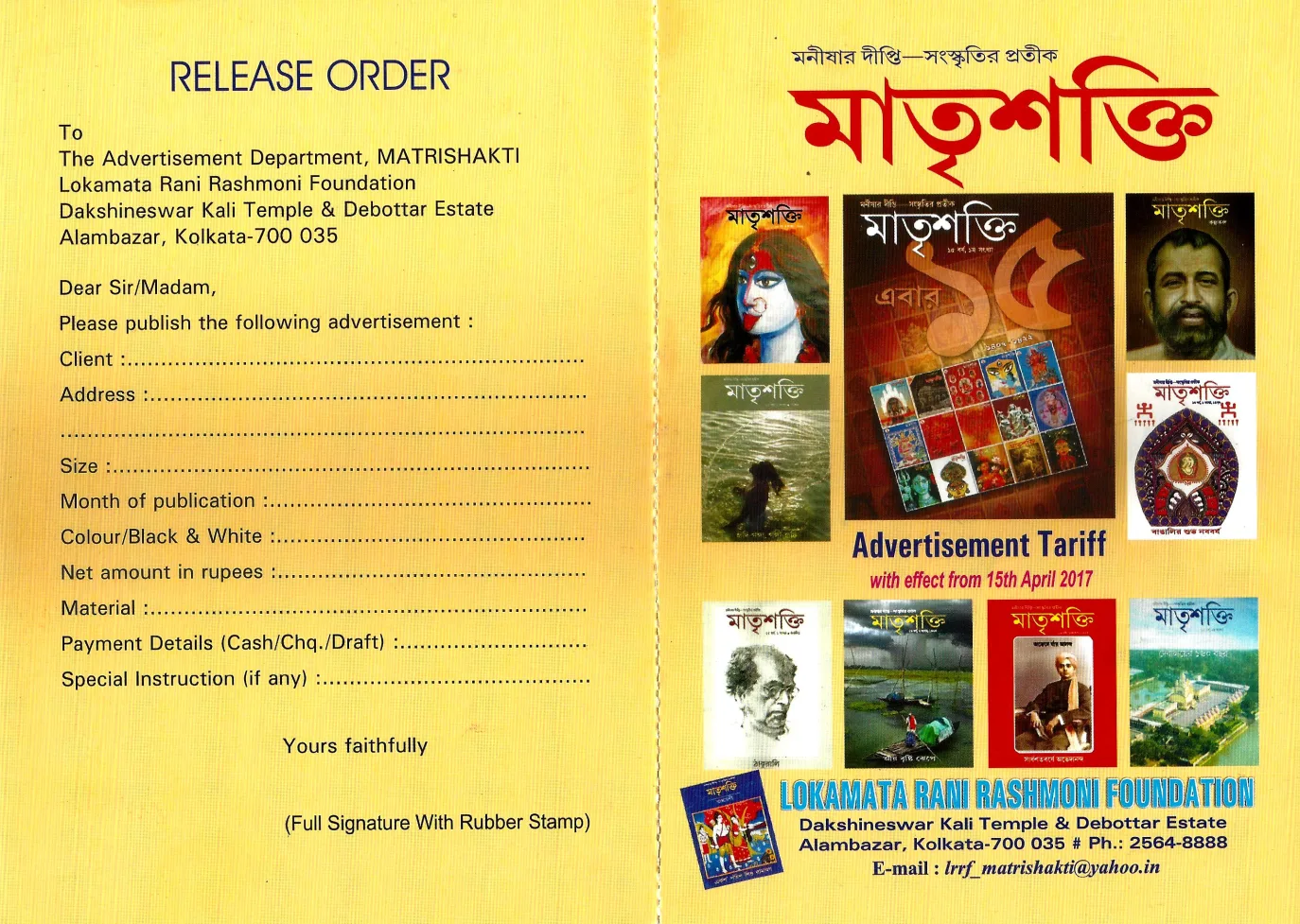
Advertisement Portal
Puja Tariff

General Tariff

Social Welfare Activities
সমাজকল্যাণমূলক কার্যক্রম
Social Welfare Activities Of Our Foundation
জনহিতকর কার্যাবলী
ফাউন্ডেশনের সামাজিক কল্যাণমূলক ও জনসংযোগ কার্যক্রমের বছরভিত্তিক বিবরণ।
Charitable and Welfare Activities from the Lokamata Rani Rashmoni Foundation for the Financial Year 2025–2026
[প্লেসহোল্ডার — প্রকৃত তথ্য দিয়ে প্রতিস্থাপন করুন] এই সময়ে ফাউন্ডেশন চিকিৎসা শিবির, দুঃস্থ পরিবারগুলিকে প্রয়োজনীয় সহায়তা প্রদান এবং দুর্যোগ ত্রাণ ও শিক্ষা অনুদান কার্যক্রম অব্যাহত রাখে।
Charitable and Welfare Activities of the Lokamata Rani Rashmoni Foundation for the Financial Year 2024–2025
[প্লেসহোল্ডার — প্রকৃত তথ্য দিয়ে প্রতিস্থাপন করুন] এই সময়ে ফাউন্ডেশন চিকিৎসা শিবির, দুঃস্থ পরিবারগুলিকে প্রয়োজনীয় সহায়তা প্রদান এবং দুর্যোগ ত্রাণ কার্যক্রম অব্যাহত রাখে।
Charitable and Welfare Activities of the Lokamata Rani Rashmoni Foundation for the Financial Year 2023–2024
[প্লেসহোল্ডার — প্রকৃত তথ্য দিয়ে প্রতিস্থাপন করুন] ফাউন্ডেশন যোগ্য শিক্ষার্থীদের জন্য শিক্ষাবৃত্তি ও অনুদান প্রদান করে, পাশাপাশি দুঃস্থ মানুষের মৌলিক চাহিদা পূরণে ত্রাণ কার্যক্রম চালিয়ে যায়।
Charitable and Welfare Activities of the Lokamata Rani Rashmoni Foundation for the Financial Year 2022–2023
[প্লেসহোল্ডার — প্রকৃত তথ্য দিয়ে প্রতিস্থাপন করুন] এই সময়ে প্রাকৃতিক দুর্যোগে ক্ষতিগ্রস্তদের সহায়তা এবং ঐতিহ্য-সম্পর্কিত জনকল্যাণমূলক উদ্যোগ অব্যাহত ছিল।